 How It Works
How Our Sober Living Home Works
A structured sober living home in San Marcos, North County San Diego, built on accountability, daily practice, and real-life responsibility after treatment or during early recovery.
Sober Living Is Not Treatment, It's What Comes After
By the Sea Recovery is a structured sober living home. We are not a treatment center, detox facility, or clinical program.
What we provide is the environment, structure, and accountability that men need after treatment, the real-world practice of staying sober while rebuilding routines, employment, relationships, and independence.
Our program is built around daily expectations, peer accountability, and community support. Every resident follows the same structure, contributes to the household, and is held to a standard that supports not just their recovery, but the recovery of everyone around them.
"This is where the work of recovery becomes real life."
Call 760-216-2077 Check Availability
What Our Program Is Built On
Every part of the home supports one goal: helping men transition from treatment or early recovery into stable, independent sobriety.
Daily Structure & Routine
Residents follow a consistent daily schedule, wake-up, chores, meals, meetings, curfew. Routine reduces chaos and helps residents practice the habits that support stability. Why men thrive in structured sober living.
Accountability & Testing
Random drug and alcohol testing, house rules, curfews, and weekly check-ins. Everyone is held to the same standard. Consistent standards help protect the house.
Peer Community
Living with other men in recovery creates a built-in support system. Shared meals, house meetings, and daily interactions build the connections that sustain sobriety.
Employment & Responsibility
Every resident is expected to maintain a purposeful weekly routine. Depending on his circumstances, that may include employment, active job search, school, separately arranged treatment, or another approved daytime activity. We discuss the plan individually. Chores, meetings, testing, curfew, and accountability remain part of life at BTS. Recovery isn't just about not using, it's about building a life you don't need to escape from. Learn more about working while living in sober living.
Recovery Meeting Attendance
A minimum of three 12-step or recovery meetings per week. The relationships and tools built in meetings are an important part of staying connected to recovery support.
Outside Provider Coordination
When appropriate, residents may stay connected to outside providers or recovery supports. BTS does not provide clinical treatment; our role is to provide stable housing, structure, accountability, and staff guidance while residents follow any outside care plans arranged with their providers.
Experience That Strengthens Accountability
BTS staff members may have professional experience from work in recovery settings, including separate treatment providers. By the Sea Recovery and Present Moments Recovery provide different services. BTS provides Structured Sober Living. PMR provides licensed clinical treatment. PMR’s licenses, accreditations, insurance relationships, and clinical services do not apply to BTS.
At BTS, that experience is applied within the boundaries of sober living. Some residents may use optional medication storage and accountability support. Residents take their own medications as prescribed by their outside licensed provider. BTS does not prescribe, dispense, administer, or change medications. When this additional house support is provided, the fee is $300 per month. Residents may continue care with independent outside providers. Those services are not provided by BTS. For house expectations, review the house rules.
What We Expect From Every Resident
These aren't arbitrary rules. They're the foundation that keeps the environment safe, stable, and genuinely supportive for everyone.
- Complete sobriety and clear substance-free standards
- Random drug and alcohol testing
- Respect house curfew and quiet hours
- Complete assigned daily chores
- Attend a minimum of 3 recovery meetings per week
- Engage in purposeful daily structure through employment, education, job-seeking, outside treatment or recovery support, or another approved plan based on the resident's circumstances
- Attend all weekly house meetings
- Treat other residents, staff, and neighbors with respect
- No overnight guests without prior approval
- Keep personal and shared spaces clean
"These expectations protect everyone. When every man holds himself accountable, the entire community benefits."
A Typical Day in Our Sober Living
Routine is one of the foundations of structured sober living. Our daily schedule keeps residents productive, connected, and accountable, while leaving room for work, personal growth, and rest.
Schedules are adjusted for each resident's employment status and outside provider or support obligations. The structure is firm, but it bends around real life.
6:30 – 8:00 AM Morning
- Wake-up, personal hygiene
- Breakfast preparation & shared meal
- Morning reflection or meditation
8:00 – 12:00 PM Midmorning
- Outside appointments or provider support when scheduled
- Chore assignments
- Work, school, job search, or recovery responsibilities
12:00 – 5:00 PM Afternoon
- Employment, job search, or education
- Vocational training programs
- Outside appointments or provider support when scheduled
5:00 – 7:00 PM Evening
- Dinner preparation and shared meal
- Personal time, exercise
- Step work, journaling, reading
7:00 – 9:30 PM Night
- AA/NA/SMART Recovery meetings
- Weekly house meeting (set night)
- Quiet time, wind-down
10:00 p.m. Mon–Thu / midnight Fri–Sun Curfew
- Standard curfew; a verified work schedule may have a specific later return arranged with staff
- Outside treatment level of care does not change curfew
- Lights out encouraged
- No guests after curfew
Call 760-216-2077 Check Availability
Accountability Framework
These are the practices that protect the community and give every resident a structured environment for recovery.
Drug & Alcohol Testing
Random testing helps protect the house and confirms the substance-free standard every resident agrees to. This creates accountability and supports the entire community.
3+ Meetings Per Week
AA, NA, or SMART Recovery meetings are required. The fellowship and sponsorship relationships built here are some of the most enduring parts of recovery.
House Meetings
Weekly house meetings build community, address issues before they become crises, and give residents a voice in how the home runs.
Progress & Goals
Each resident sets sobriety goals, employment targets, and personal milestones. Progress is tracked and celebrated together.
Where Sober Living Fits in the Recovery Pathway
Sober living is not the beginning of recovery, and it's not the end. It's the bridge between treatment or stabilization and independent living.
Detox
Medical stabilization
Treatment or Outside Care
Clinical care, outpatient support, or recovery services arranged outside BTS
Structured Sober Living
Accountability, routines, real-world practice
Independent Living
Long-term sobriety and self-sufficiency
"Many people struggle when they move too quickly from treatment or early recovery back into full independence without enough structure."
Men's Sober Living in San Marcos
Talk With Us
Ask anything. No scripts. No pressure.
760-216-2077Why We Require a 90-Day Minimum Stay
A 90-day minimum gives residents time to build routine, accountability, and connection before moving too quickly into independence. The first 90 days help establish community roots and stabilize the patterns disrupted by addiction.
Residents commit to a minimum stay of 90 days. Most men stay about four months, giving them time to settle into the structure, build healthy routines, work, attend meetings, and practice daily recovery responsibilities.
Questions About Program Structure
What is structured sober living?
Structured sober living combines substance-free housing with clear daily expectations. Structure may include testing, curfew, meetings, work or approved daytime activity, chores, communication, house responsibilities, and accountability when concerns arise. At By the Sea Recovery, structure is designed to support independence rather than control residents. The goal is to make healthy routines repeatable.
What rules do residents follow in sober living?
Common sober living rules at By the Sea Recovery include remaining substance-free, participating in drug and alcohol testing at any time, following curfew, attending a minimum of 3 recovery meetings per week, communicating schedule changes, completing assigned household chores, respecting other residents and staff, and maintaining work, school, or an approved daytime structure. Rules are explained clearly before move-in so residents and families understand the commitment.
What does a typical day in sober living look like?
A typical day may include morning preparation, work or school, recovery meetings, exercise, appointments, chores, meals, house communication, and curfew. The schedule is designed to resemble healthy independent living while keeping accountability in place. BTS residents build real-world routines rather than spending the day in treatment programming inside the home.
Questions About Our Program?
Talk with our team. No call center. No pressure. Just an honest conversation about whether this is the right fit.
You don't have to figure everything out today. You just need to take the next step.
Continue Exploring
Daily Schedule & Routine
Structure isn't a restriction, it's the foundation of recovery. Here's exactly what daily life looks like.
Learn MoreHouse Rules & Expectations
Transparent, fair, and firmly enforced, our rules exist to protect every resident's sobriety and our community's integrity.
Learn MoreBenefits of Sober Living
How structure, accountability, peer community, and daily responsibility can support men in early recovery.
Learn MoreHome & Amenities
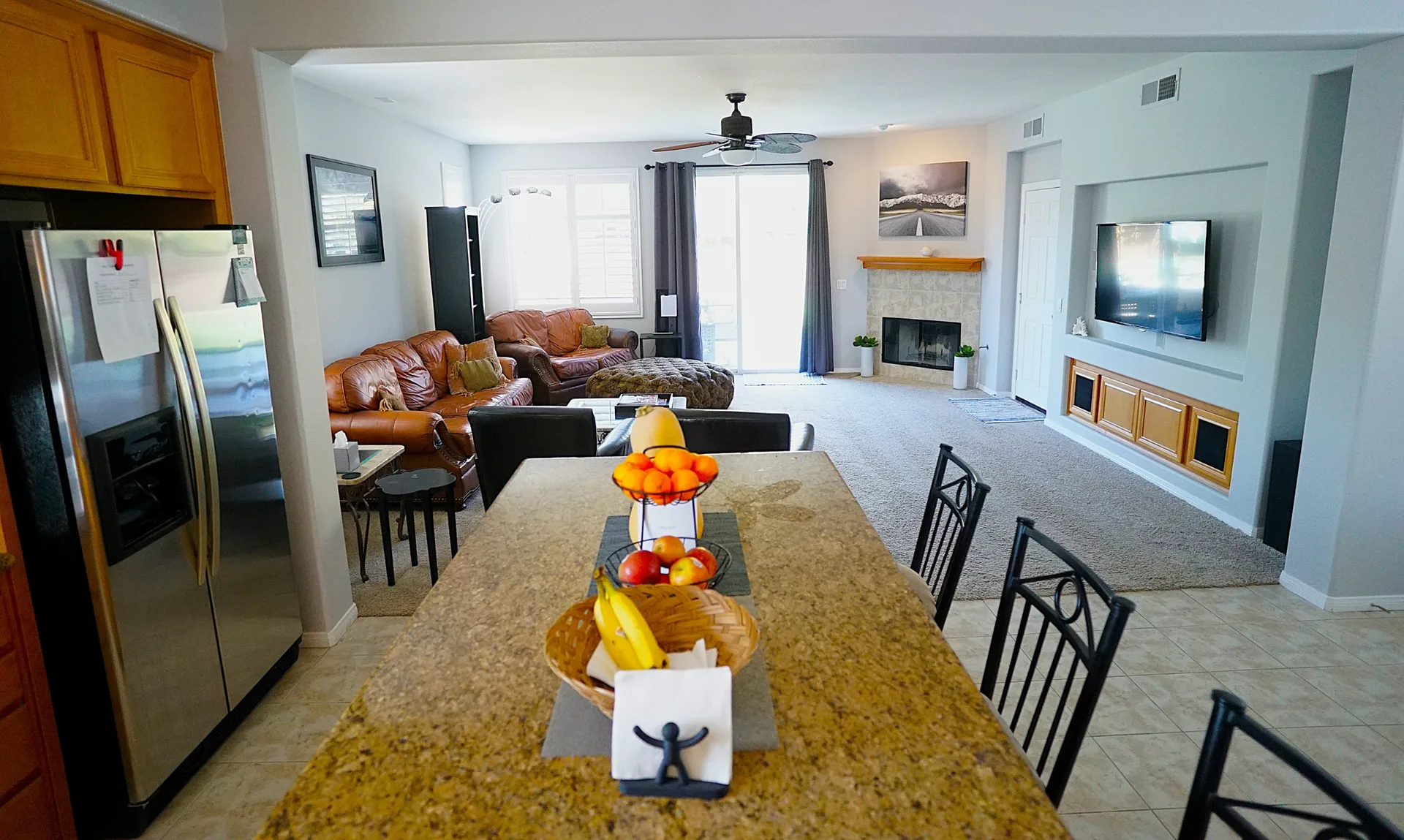
A calm, structured environment designed for recovery, furnished rooms, full kitchen, outdoor spaces, near the beach.
Learn MoreMove-In & Getting Started
How to get started, the move-in process, costs, and what to expect on day one.
Learn MoreSuccess Stories
Real stories from real men in recovery, told in the words of the men who lived them.
Learn More